
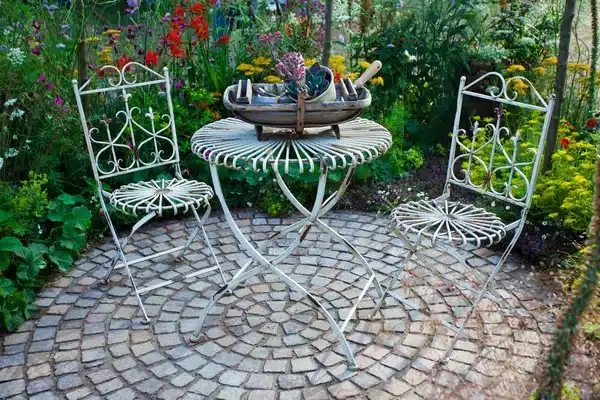
In New Orleans and the surrounding metro, from Covington and Mandeville to Metairie and Kenner, homeowners are adding covered outdoor structures to make the most of South Louisiana’s warm climate. If you’re considering a gazebo or a pergola, it’s worth knowing the key differences before you decide. Gazebos provide more protection from rain and the intense summer sun, while pergolas offer an open-air feel that allows the breeze to flow through, keeping your outdoor space comfortable even on humid days.
Gazebos
Gazebos are freestanding structures that provide shade and shelter from the elements. They can be used to create a private outdoor space for entertaining, relaxing, or simply enjoying the outdoors. Gazebos typically have a solid roof over open sides and are often made of wood or metal.
A gazebo is an open-sided structure that provides protection from the sun and rain while allowing you to enjoy your outdoor living space in comfort. It is usually octagonal or round in shape and has a roof supported by columns on all sides.
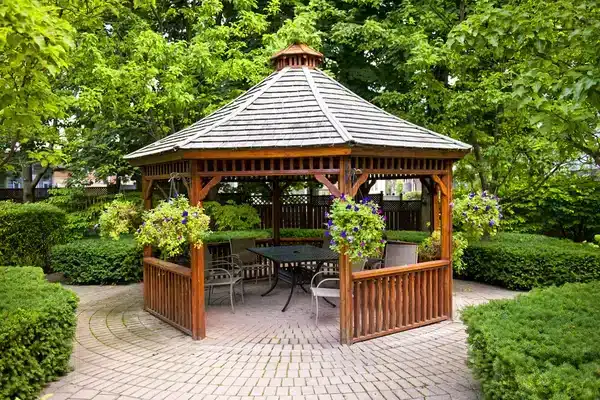
Gazebos offer many benefits including providing shade from direct sunlight, creating privacy for entertaining guests, blocking wind and rain, adding visual interest to your landscape design, increasing property value, and providing additional living space without having to build onto your home’s existing footprint.
Gazebos are an excellent way to provide shade and shelter from the elements, while also adding a touch of beauty and elegance to your outdoor living space. They come in many different shapes and sizes, so there is sure to be one that fits your needs. Now let’s take a look at pergolas and how they can enhance your patio or yard.
Pergolas
A pergola is an outdoor structure typically made of wood or metal that consists of vertical posts and horizontal beams. It can be used to provide shade, create a private space, or add visual interest to your backyard. Pergolas are often used as an architectural feature in gardens and patios.
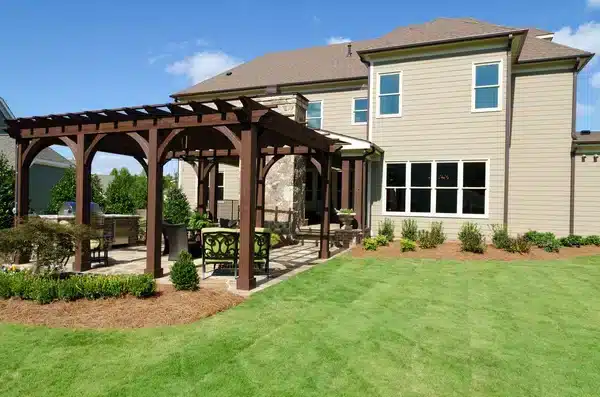
The benefits of having a pergola include providing additional shade on hot days, creating a cozy atmosphere for entertaining guests, and adding visual appeal to your landscape design. A pergola also adds value to your home by increasing its curb appeal and making it more attractive to potential buyers if you ever decide to sell the property.
Pergolas are an excellent choice for creating a beautiful outdoor living space. They provide shade and style, while also being more cost-effective than gazebos. Now let’s compare the two to help you decide which one is best for your patio project.
Comparison Between Gazebos and Pergolas
Gazebos and pergolas are two popular outdoor structures for New Orleans homeowners. South Louisiana’s long outdoor season, heavy summer thunderstorms, and high humidity make the choice between them practical, not just aesthetic.
Cost Comparison: Gazebos tend to be more expensive than pergolas due to their size and complexity. The cost of materials will depend on the type of wood or other material you choose, as well as any additional features such as built-in benches or lighting. Pergolas are typically less expensive since they require fewer materials and have simpler construction requirements.
Design Comparison: Gazebos usually feature a solid roof with open or screened sides, while pergolas have an open roof structure with vertical posts. A gazebo’s covered roof offers real protection during the afternoon downpours common through our long summer. Pergolas provide less rain coverage but allow more airflow, which is a genuine comfort advantage during New Orleans summers when heat and humidity peak together.
Both types of structures can serve multiple purposes: entertaining, outdoor dining, or adding privacy. Pergolas also work well as support for climbing plants; fast-growing vines suited to zone 9b New Orleans yards or zone 9a in Covington and Mandeville can cover a pergola frame quickly, adding natural shade and color year-round. If maximum rain protection is your priority, a gazebo or a motorized louvered pergola gives you the flexibility to stay dry without feeling closed in.
Gazebos and pergolas both offer unique features that can be used to create a beautiful outdoor living space. Weigh the cost, the design, and how you’ll handle New Orleans sun and rain before making a decision.
Permits, Wind, and Historic Districts in New Orleans
A couple of local rules can tip the decision. A gazebo has a solid roof, and a pergola gains one once you add a solid or louvered top, so ask your city or parish permit office whether your structure needs a permit before you order it. Our permit guide covers how covered structures are reviewed across the three parishes.
Both structures also have to be anchored for storm season, which runs June 1 through November 30. A solid gazebo roof catches more wind than open pergola rafters, so its footings and connections carry more of the load. And if your home sits in one of New Orleans’ local historic districts, a new outdoor structure can go through Historic District Landmarks Commission review as part of the permit process, while French Quarter properties fall under the Vieux Carre Commission. Check before you pick a style, then see local options on our New Orleans gazebos and pavilions page or our Mandeville service area page.
Conclusion
The difference between a gazebo and a pergola is clear. Gazebos are roofed structures that provide protection from the elements, while pergolas are open-air structures without roofs that can be used for shade or decoration. Both options offer unique benefits to homeowners and commercial property owners alike, so it’s important to consider your needs before making a decision. Big Easy Patios has years of experience designing and building custom patios of all shapes and sizes, so contact us today if you need help creating the perfect outdoor living space for your home or business!


