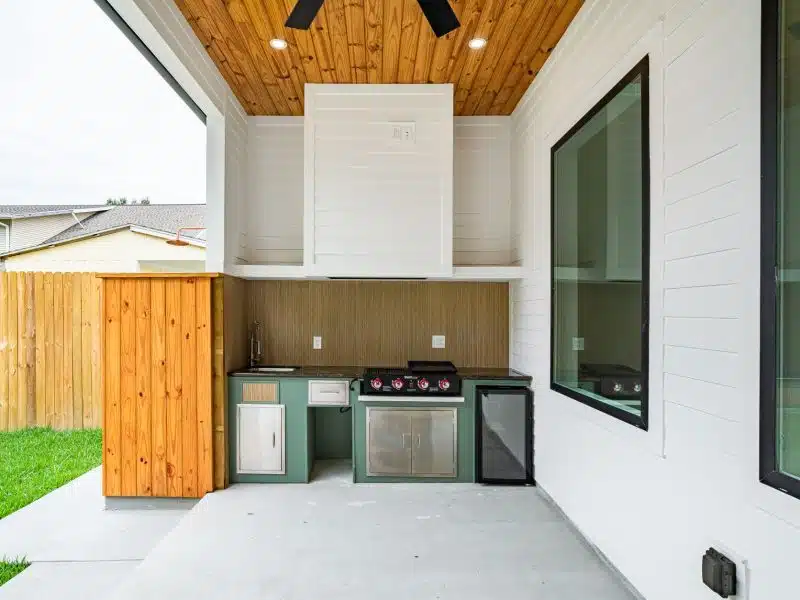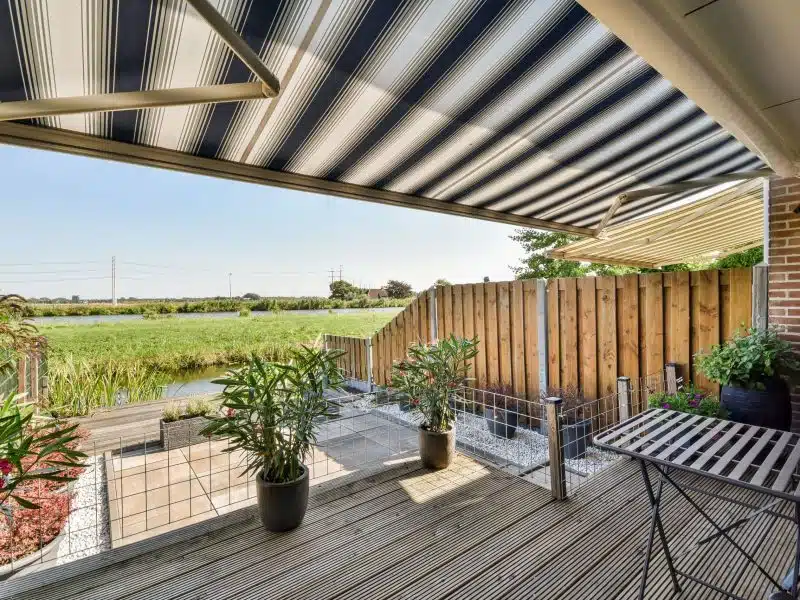
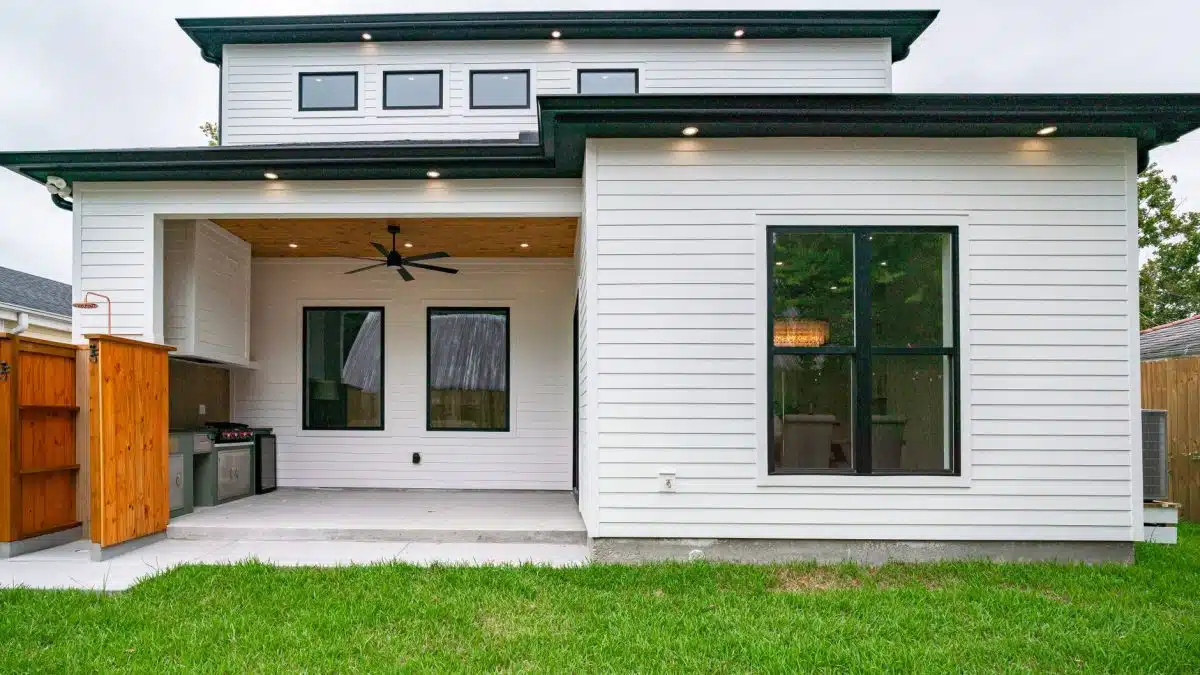
Planning a covered patio anywhere in the New Orleans metro usually raises the same question before the first post goes in the ground: do you need a permit? The short answer is that a covered patio or a screen enclosure almost always needs one, while a plain ground-level slab often doesn’t. That gap trips up a lot of homeowners, since pouring concrete and roofing over it feel like one project, yet the parish treats them differently.
This guide covers when a permit is required, why our wind codes carry so much weight, and how the rules shift between Orleans, Jefferson, and St. Tammany parishes. Requirements and fees change from one permit office to the next, so treat this as a starting map, not the final word, and confirm the specifics with your local office. If you’re also pricing the project, our patio cover cost guide for New Orleans pairs well with the permitting picture below.
Key Takeaways
- A covered patio or screen enclosure needs a permit in Louisiana parishes that enforce the state code; a ground-level, uncovered concrete or paver patio usually doesn’t.
- Louisiana enforces the Louisiana State Uniform Construction Code, which adopts the 2021 IRC with state hurricane amendments.
- Design wind speeds across the region run roughly 115 to 160 mph depending on how close you are to the coast, so a cover has to be engineered, not just nailed together.
- A code-compliant patio cover resists uplift and lateral loads through a continuous load path and carries a vertical live load of at least 10 pounds per square foot.
- Rules and fees vary by parish; a reputable installer usually pulls the permit and confirms the details with your local office.
When Do You Need a Permit for a Patio Cover?
The dividing line is the roof. Once you add a structure that attaches to the house or stands on its own posts and holds a roof overhead, the parish reads it as new construction, which triggers a permit where the state code is enforced. A solid aluminum cover, a wood pergola with a solid top, an insulated panel roof, and a screen enclosure all fall on that side of the line. You can see the range on our patio cover services page.
A ground-level, uncovered concrete or paver patio usually sits on the other side. With no roof and no vertical load to engineer, most offices don’t require a permit for a simple slab poured at grade. Screen rooms surprise a lot of homeowners; because a screen enclosure has a roof and framed walls, it’s permitted like a covered structure even though the walls are mesh, not solid. When you’re unsure which bucket your project lands in, a quick call to the parish settles it.
Why Louisiana’s Wind Codes Matter So Much Here
South Louisiana builds to some of the toughest wind standards in the country, and that’s why a patio cover isn’t a weekend nail-gun project. Design wind speeds across the metro run roughly 115 to 160 mph, climbing as you get closer to the coast. A roof that big acts like a sail in a storm, so the code focuses on keeping it anchored when the wind tries to peel it off.
That’s where uplift and lateral loads come in. A compliant cover moves those forces from the roof, down through the posts, and into the footings without a weak link, which engineers call a continuous load path. The roof is also designed to carry a vertical live load of at least 10 pounds per square foot. None of this is about looks; it’s about a structure that survives hurricane season, hard downpours, and the storm surge risk that comes with the Gulf. Material choice feeds that performance, and our guide to the best patio cover materials covers how each option behaves in our humidity and heat. This isn’t a climate that freezes or piles up snow; it’s UV, moisture, and wind a cover here has to answer for.
How Permit Rules Differ Across Orleans, Jefferson, and St. Tammany
Every parish enforces the same state code, but each runs its own permit office, fee schedule, and review timeline, so the paperwork feels different depending on where your home sits. In Orleans Parish, homes inside New Orleans work through the city’s permitting system, and historic districts can add design review on top of the standard structural check. Our New Orleans patio covers work and our broader New Orleans service area both run through that office.
In Jefferson Parish, homeowners in Metairie and Kenner file with the parish for review and inspections on covered structures. Across the lake in St. Tammany Parish, Mandeville, Covington, Madisonville, and Abita Springs each fold in local requirements alongside the parish rules, and some carry stricter wind or setback rules the closer they sit to the water. If your home is in Covington or a nearby St. Tammany town, confirming the submittal list with that office first saves a round of back-and-forth.
Who Pulls the Permit, and Why It’s Worth It
A reputable installer usually pulls the permit, submits the engineered plans, and schedules the inspections, so you’re not chasing forms yourself. The permit and the inspection sign-off prove your cover was built to code, which protects you at resale and keeps your homeowner’s insurance from pushing back after a storm. A custom build only raises the stakes, so our custom patio work in New Orleans is planned around code from the first sketch.
Getting it right the first time is faster than fixing it twice. For a full read on how permitting and engineering fold into the total number, our cost overview for New Orleans lays it out.
Frequently Asked Questions
Do I Need a Permit for Just a Concrete Patio Slab?
Usually not. A ground-level, uncovered concrete or paver patio typically doesn’t require a permit, because there’s no roof or vertical load to engineer. Add a cover over that slab, though, and it becomes a permitted structure. Requirements vary by parish, so confirm with your local office if you plan to add a roof later.
How Long Does a Patio Cover Permit Take in the New Orleans Area?
It depends on the parish and how busy the office is, so there’s no single number across Orleans, Jefferson, and St. Tammany. Historic-district review in New Orleans can add time, and each office sets its own fees. Ask your permit office for the current timeline, or let your installer handle the submittal so it lands complete.
Does a Screen Room Need a Permit Too?
Yes, in most cases. A screen enclosure has a roof and framed walls, so parishes that enforce the state code permit it like any other covered structure, even though the walls are mesh rather than solid. It still meets the same wind and load standards as a solid patio cover.
Can I Skip the Permit to Save Money?
It’s not worth the risk. An unpermitted cover can bring a stop-work order, fines, or an order to remove it, and it can complicate a future sale or an insurance claim after a storm. Permitting and inspection confirm the build meets our wind codes, and that protection is the whole point.
Ready to add a covered patio and have the permit handled right? Big Easy Patios builds code-compliant covers and screen rooms across Orleans, Jefferson, and St. Tammany parishes, and we pull the permits so you don’t have to. Call (504) 285-2659 or reach out through our contact page for a free, no-pressure estimate.