
Hurricane season on the Gulf Coast runs from June through November, and every New Orleans homeowner with a patio knows the rhythm of it. The sky turns that heavy gray, the forecast lights up, and suddenly you’re wondering whether your outdoor setup can take what’s coming. A little preparation now saves you a frantic scramble later.
Our metro sits in a tough spot for weather. High humidity, relentless heat, heavy rain, tropical storms, and the occasional hurricane all put steady pressure on outdoor structures, and flood-prone yards with a high water table pile drainage headaches on top. This guide covers sensible steps to get your patio ready, from the code-built foundation under a solid patio cover to the quick tasks you can knock out before a named storm reaches Orleans and Jefferson Parish.
Key Takeaways
- Hurricane season runs June through November, so prep early rather than during a warning.
- A code-built cover with proper anchoring and a continuous load path is your foundation against high winds.
- Louisiana enforces the 2021 IRC with state hurricane amendments, and coastal design wind speeds run roughly 115 to 160 mph.
- Before a storm, secure loose items, clear gutters, check drainage and grading, trim branches, and inspect fasteners.
- A pre-season inspection surfaces small problems before they turn into storm-day surprises.
Why Hurricane Season Hits New Orleans Patios Hard
The forces that stress a patio here aren’t the ones you’d worry about in a colder climate. We don’t deal with snow or freeze, and salt air isn’t the driver people assume; Lake Pontchartrain is brackish and the Mississippi River runs fresh. What actually wears on outdoor structures is our sustained humidity, intense heat, and the volume of rain a tropical system can dump in a few hours. Add the wind from a storm rolling in off the Gulf, and a cover that wasn’t built for the load becomes the weak link.
Yards across the metro sit low, with a high water table and alluvial soil that holds water. When a storm parks over New Orleans or pushes surge inland, poor drainage around your slab can undermine footings and leave standing water where your patio used to be usable. Knowing these local drivers is the first step in getting prepared.
Start With a Cover That’s Built to Code
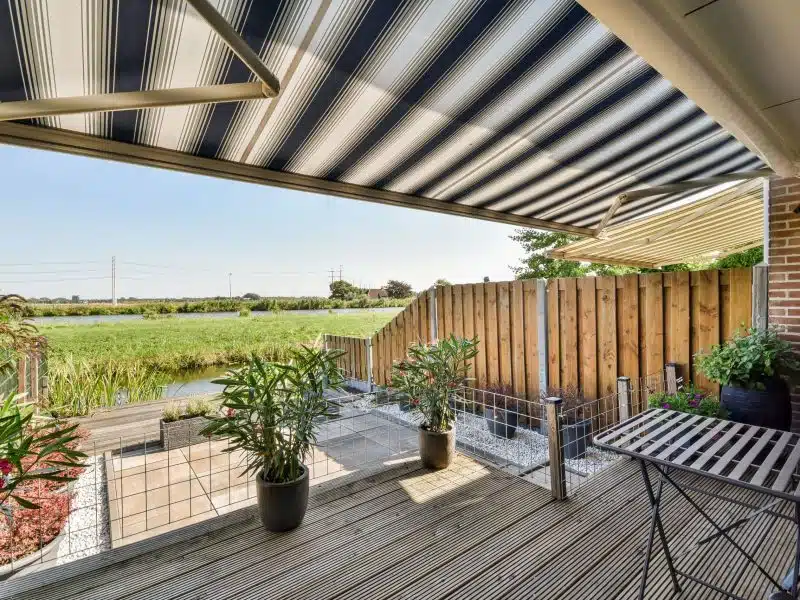
The single biggest factor in how your patio handles a storm is whether the cover was engineered and anchored correctly in the first place. Louisiana enforces the 2021 IRC along with state hurricane amendments, and near the coast the design wind speeds run roughly 115 to 160 mph. A properly built patio cover in New Orleans needs correct anchoring into the slab or footings and a continuous load path, so wind pressure travels from the roof down through the posts and into the ground instead of tearing a connection loose.
Permitting matters here too. Pulling the right permit isn’t red tape; it’s the process that confirms your structure meets the wind requirements for our area. If you’re planning a build or want to know what your parish expects, our permit and wind guide lays out how the code applies locally. A cover that skipped that step may look fine on a calm day and still fail when a real system arrives.
Your Pre-Storm Patio Checklist
Once the foundation is solid, the rest is loose ends you can control. Work through this list when a system enters the Gulf and the cone points your way.
- Secure or store loose items. Chairs, umbrellas, planters, and decor all become projectiles in high wind. Bring them into a garage or shed, or lash them down low and tight.
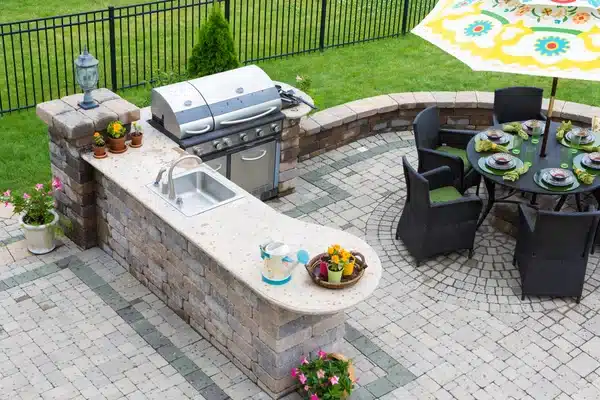
- Move the grill. A gas grill can tip or slide, so store it or anchor it, and disconnect the propane tank.
- Clear gutters and downspouts. Our storms deliver rain faster than a clogged line can drain, sending water where you don’t want it.
- Check drainage and grading. Make sure water sheds away from the slab and the house, since standing water around footings is a real risk in our flood-prone yards.
- Trim nearby branches. Overhanging limbs snap in wind, so cutting back trees near the patio reduces the odds of a branch coming through your cover.
- Inspect fasteners, posts, and connections. Walk your cover and any pergola, looking for loose bolts, rusted hardware, or wood pulling away at a joint. Tighten what you can and flag the rest.
None of this guarantees anything against every storm, and no one can promise a structure will survive a direct hit. Think of it as stacking the odds in your favor.
Don’t Overlook Drainage and the Roofline
Water is the quiet troublemaker in our climate. Even when wind isn’t the headline, days of heavy rain test how well your yard and roofline shed it. Check that the connection between your cover and the house stays sealed, since a gap there lets water track toward your walls. If your cover ties into the home’s roof, confirm that flashing and roofing details are sound before the season peaks.
Grading deserves a second look too. Over time, soil settles and a slope that once carried water away can start pooling it against your slab. Homeowners in Metairie and the low-lying stretches of Jefferson Parish know this pattern well. A quick regrade or a redirected downspout can spare you a soggy patio and protect the footings underneath.
When to Schedule a Pre-Season Inspection
The best time to look over your setup is before the first named storm, not after damage shows up. A pre-season inspection catches worn fasteners, early rot, and drainage issues while they’re still cheap to fix. If your cover is older, was built without a permit, or has never been checked against current wind requirements, that visit is even more worth it.
If you’re weighing a new cover or an upgrade, it helps to know what the work involves before storm season squeezes everyone’s schedule. Our cost guide gives you a realistic picture, and a build that follows the local permit process is engineered to stand up to our conditions. Whether you’re in New Orleans proper or out toward the North Shore, planning ahead of June goes a long way.
FAQ
When Does Hurricane Season Start in New Orleans?
Hurricane season on the Gulf Coast runs from June 1 through November 30. Get your patio inspected and prepped in the spring, before the first system forms, so you’re not scrambling once a storm is already in the forecast.
What Wind Speed Should a Patio Cover Be Built to Handle Here?
Louisiana enforces the 2021 IRC with state hurricane amendments, and design wind speeds near the coast run roughly 115 to 160 mph. A cover built to that standard uses proper anchoring and a continuous load path so wind pressure transfers safely into the ground.
What Should I Do With My Patio Furniture Before a Storm?
Bring furniture, umbrellas, planters, and decor indoors if you can, since loose items turn into projectiles in high wind. Store or anchor the grill, and tie down anything you can’t move.
Can a Patio Cover Really Survive a Hurricane?
A code-built, properly anchored cover is designed to resist the high winds our area sees, but no structure can be guaranteed against every storm or a direct hit. The goal is sensible preparation: build to code, keep connections sound, and inspect before the season.
Ready to have your patio checked before the next storm, or thinking about a cover engineered for our weather? Call Big Easy Patios at (504) 285-2659 or reach out through our contact page to schedule a pre-season inspection across the New Orleans metro.