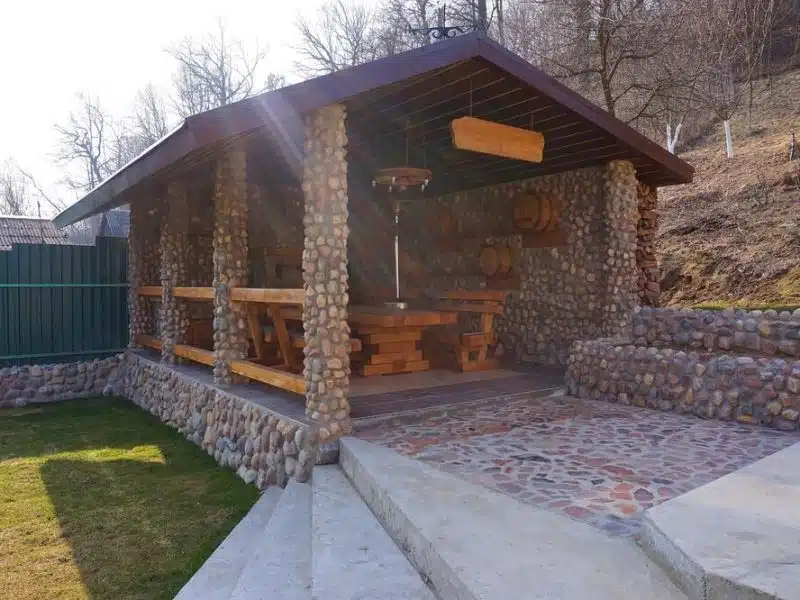

Building a patio cover in Mandeville or anywhere across the Northshore means designing for weather that never really lets up. Our summers run hot and sticky, the UV is intense from spring through fall, and afternoon storms show up fast and hit hard. The material you choose has to shrug all of that off for years, not months. Pick wrong and you’re back to sealing, scrubbing, or replacing a cover that warped after two humid seasons. Pick right and you get a shaded outdoor room you can use from March through November.
So what’s the best patio cover material for Louisiana’s heat, rain, and humidity? For most homeowners here the answer is aluminum, and insulated aluminum in particular. It resists our humidity, won’t rot or warp, needs very little upkeep, and handles both UV and heavy rain without complaint. Wood and vinyl each have a place, but they ask more of you over time. Below we compare all three through a Northshore lens. For the money side, our patio cover cost guide for New Orleans pairs well with this.
Key Takeaways
- Aluminum, especially insulated aluminum, is the low-maintenance pick for our climate: it resists humidity, won’t rot or warp, and handles intense UV and heavy rain well for year-round use.
- Insulated aluminum panels block heat better than open styles, so the space underneath stays noticeably cooler on a brutal Northshore afternoon.
- Wood looks beautiful but needs regular sealing and upkeep in our humidity, and it can rot or attract pests over time.
- Vinyl sits in the middle: lower maintenance than wood and easier on the budget than premium aluminum, with tradeoffs in durability and heat performance.
- The drivers here are humidity, heat, UV, heavy rain, afternoon storms, and hurricane season, so build for those, not for cold you’ll almost never see.
Why Louisiana’s Climate Decides the Material
The Northshore and the greater New Orleans metro share a demanding set of conditions. Humidity hangs high most of the year, the sun is strong enough to degrade weak materials, and heavy rain plus quick-forming afternoon storms test any roof you put up. Hurricane season adds wind and water load on top. What you almost never fight is cold; New Orleans proper sits in USDA zone 9b and Mandeville and Covington land in 9a, so snow and hard freezes aren’t the design problem. Skip the “salt air” myth too, since Lake Pontchartrain is brackish and the Gulf sits 40 to 50 miles south. The real enemies are humidity, UV breaking down surfaces, and rain finding every seam, and a good material has to stay stable through all of it. You can see how we build for these conditions on our patio cover services page.
Aluminum: The Low-Maintenance Northshore Pick
Aluminum best fits how we live outdoors here. It doesn’t absorb moisture, so our humidity can’t rot or warp it, and it holds up under strong UV and heavy rain without needing a finish reapplied every year. That “install it and forget it” quality is exactly what a busy Mandeville household wants: a clean, modern cover that keeps looking right season after season with little more than an occasional rinse.
Insulated aluminum takes it a step further. The panels have a foam core, so they block heat far better than open lattice or a bare metal roof. On a high-UV August afternoon, the space underneath stays genuinely cooler instead of radiating back the heat it absorbed. Pair that with a solid roof that keeps a sudden downpour off your furniture and you get a patio that works year-round. See the local scope on our Mandeville patio covers page, and our guide to choosing the best patio cover materials walks through the deeper details.
Wood: Beautiful, but High-Maintenance in Our Humidity
Wood has real charm. A cedar or pressure-treated pergola brings warmth and a natural look a lot of homeowners love. The problem is what our climate does to it. In this much humidity, wood needs regular sealing and upkeep to stay protected, and even then it can rot or draw pests over the years. Miss a sealing cycle and moisture starts working its way in.
If you have your heart set on wood, go in knowing the maintenance calendar is part of the deal. Some homeowners across Mandeville choose it for a specific aesthetic and accept the upkeep as the cost of that look. Others start with wood and later wish they’d gone with something that didn’t fight the weather. Our breakdown of how climate affects your decking material choice covers the same moisture logic for the surface underfoot.
Vinyl: The Middle Ground
Vinyl lands between the two. It won’t rot the way wood can, and it asks for less maintenance than a sealed-every-year pergola. It’s often gentler on the budget than premium insulated aluminum too, which makes it a reasonable middle option for a homeowner who wants lower upkeep without going all the way to insulated aluminum.
The tradeoffs are durability and heat performance. Vinyl generally won’t match aluminum’s long-term toughness under our UV and storm load, and it doesn’t block heat like an insulated panel. Think of it as the sensible compromise: cleaner than wood on maintenance, friendlier than top-tier aluminum on price, shorter on both cooling and lifespan. In Covington and across the Northshore we help homeowners weigh vinyl against aluminum based on how hard they’ll use the space.
Matching the Material to Your Northshore Home
Start with how you’ll use the patio. If it’s a true outdoor living room for dining, entertaining, or a covered kitchen you rely on through summer, insulated aluminum earns its cost with a cooler, drier, storm-ready space. If you want a natural look and will commit to the upkeep, wood delivers the aesthetic; if you want lower maintenance at a friendlier price, vinyl fits. The same humidity, heavy rain, and storm exposure apply everywhere from Covington to the south-shore metro, so the logic holds across the region. If your cover ties into the house, our roofing work keeps the connection watertight and built for our rain, and our cost and overview guide shows how material moves the final number before you request a quote.
Frequently Asked Questions
What’s the Best Patio Cover Material for Louisiana Humidity?
Aluminum, and insulated aluminum in particular. It doesn’t absorb moisture, so our humidity can’t rot or warp it, and it needs very little maintenance to keep looking good. Wood requires regular sealing to survive the same conditions, and vinyl sits in the middle. For low upkeep and year-round performance on the Northshore, aluminum is the strongest fit.
Does an Insulated Aluminum Cover Stay Cooler Than an Open Style?
Yes. Insulated panels have a foam core that blocks heat far better than open lattice or a bare metal roof, so the area underneath runs noticeably cooler on a high-UV afternoon. In a hot, humid climate like Mandeville’s, that’s what makes the patio comfortable in the middle of the day rather than just shaded.
Is Wood a Bad Choice for a Mandeville Patio Cover?
Not bad, just higher maintenance. Wood looks great and many homeowners love it, but in our humidity it needs regular sealing and upkeep, and it can rot or attract pests over time. If you love the natural look and will keep up with it, wood works. If you’d rather install it and forget it, aluminum is the easier long-term pick.
Trying to pick the right patio cover material for your Northshore home? The team at Big Easy Patios builds aluminum, wood, and vinyl covers across Mandeville, Covington, and the New Orleans metro, and we’ll walk your patio to recommend the best fit for our climate. Call (504) 285-2659 or reach out through our contact page for a free, no-pressure estimate.