
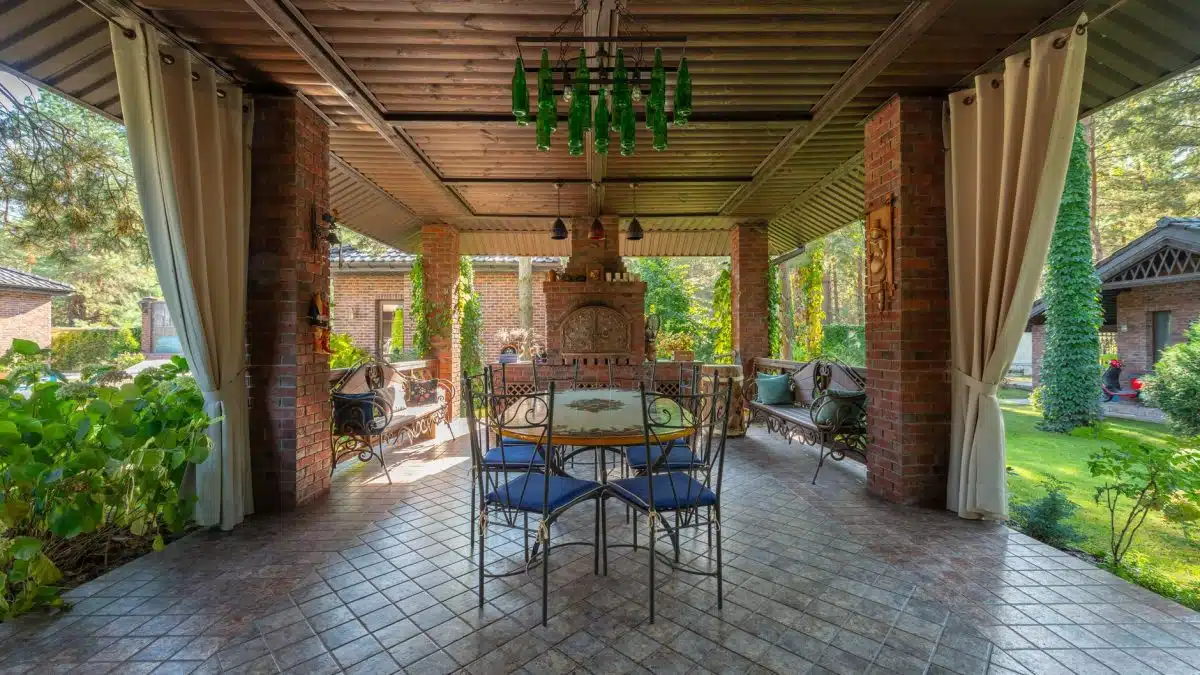
Picking a patio cover in Metairie comes down to one big fork in the road: an insulated solid cover or an open lattice design. Both keep the sun off your head, but they behave very differently once a Jefferson Parish summer settles in. One turns your patio into a shaded, storm-ready room you can use every month of the year. The other gives you filtered light and a breeze at a friendlier price. Neither is “better” in a vacuum; the right pick depends on how you plan to use the space.
If you’re weighing the two, you’ve probably noticed the price gap and wondered whether a solid cover is worth the extra. In a climate built on humidity, hard afternoon rain, and long stretches of UV, the answer usually leans one way, though not always. This guide breaks down the real differences in comfort, protection, weight, install time, and budget so you can match the cover to your yard. Our patio cover cost guide for New Orleans pairs well with everything below.
Key Takeaways
- Insulated solid covers use foam-filled panels that can drop the temperature underneath by roughly 10 to 15 degrees, and they block rain and UV completely. They’re the premium option.
- Lattice covers are open-beam, so they let air and partial sun through, cost the least, and install fast, but rain protection is limited.
- Solid non-insulated covers sit in the middle: full shade and rain coverage without the foam core or the temperature drop.
- Insulated covers weigh more and need stronger support; they install in about 2 to 3 days versus 1 to 2 days for lattice.
- For a patio you want to use through Metairie’s humid, storm-prone summers, insulated wins on comfort. For a shade-only, budget-minded corner of the yard, lattice makes sense.
What’s the Real Difference Between Insulated and Lattice Covers?
A lattice cover is a grid of open beams. Sunlight and rain pass through the gaps, so you get dappled shade and airflow rather than a sealed ceiling. A solid cover is a continuous roof panel with no gaps, which blocks sun and rain outright. An insulated cover fills that panel with a foam core, so it resists heat transfer instead of just casting a shadow. That foam layer is why an insulated roof can pull the temperature underneath down by about 10 to 15 degrees on a brutal July afternoon, while a bare metal panel still radiates the heat it absorbs.
All three sit on a comfort ladder. Lattice gives you shade and breeze. Solid non-insulated gives you full shade and dry cover. Insulated gives you full shade, dry cover, and a genuinely cooler surface temperature. You can see these built out on our patio cover services page, and homeowners who want a fully custom footprint often start with our custom patio work in Metairie.
Insulated Patio Covers: Year-Round Comfort in the Heat
Metairie doesn’t get much of a break from the sun. USDA zone 9b means long growing seasons and longer cooling seasons, and the humidity makes shade feel like a necessity rather than a luxury. An insulated cover is the version that makes a patio usable when the heat index climbs. The foam panels reject heat before it reaches you, so the space underneath stays noticeably cooler, and the solid roof means a sudden thunderstorm doesn’t chase everyone indoors. You can leave furniture, a TV, or a kitchen setup out there without watching the forecast every hour.
There’s a tradeoff for all that performance. Insulated panels are heavier, so the structure needs stronger posts and beams, and the build runs about 2 to 3 days. If you’re picturing a true outdoor living room that works in hurricane season and holds up under heavy rain, this is the cover that earns its cost. You can see the local scope on our Metairie patio covers page.
Lattice Patio Covers: Airflow, Filtered Light, and Savings
Lattice is the most affordable of the three, and it has a distinct appeal. The open-beam design lets warm air rise and escape instead of pooling under a solid roof, and the filtered sunlight keeps a space bright rather than cave-dark. That’s ideal over a garden seating area, a walkway, or a spot where you want partial sun for plants. Because the panels are lighter, the support is simpler and the install typically wraps in about 1 to 2 days.
The catch is weather protection. Those same gaps that let the breeze through also let the rain through, so a lattice cover won’t keep you dry during one of Metairie’s fast-moving downpours, and it won’t block UV the way a solid roof does. Some homeowners add climbing vines or a retractable canopy to close the gaps seasonally. If shade and looks matter more than staying dry, lattice delivers a lot of style for the money. It’s a common pick for backyards in nearby Kenner and across the Metairie service area.
How to Decide for Your Metairie Patio
Start with how you’ll use the space. If the patio is meant for regular use, dining, entertaining, or a covered outdoor kitchen you rely on through summer, the insulated cover pays you back every hot, wet month. The 10 to 15 degree difference and the dry, storm-ready roof change what the space is worth. If instead you want a shade structure over a low-traffic corner and you’re watching the budget, lattice is the lighter, faster option.
Also weigh the structure itself. Insulated panels demand stronger support, so an honest look at your existing slab and layout matters before you commit. Material choice feeds into this too; our guide to the best patio cover materials covers how aluminum, wood, and other options behave in this climate. And because the price spread between lattice and insulated is real, see how labor and materials stack up in our patio installation costs breakdown before you get a quote.
Frequently Asked Questions
Does an Insulated Cover Really Stay Cooler in Metairie Humidity?
Yes. The foam core resists heat transfer instead of soaking it up and radiating it back down, so the temperature under an insulated panel runs roughly 10 to 15 degrees cooler than the open air. In our humid, high-UV climate, that difference is what makes the patio comfortable at 3 p.m. in August.
Will a Lattice Cover Keep Me Dry During an Afternoon Storm?
Not fully. Lattice is open-beam by design, so rain passes through the gaps. It’s built for shade and airflow, not weatherproofing. If staying dry through Metairie’s frequent thunderstorms is a priority, a solid or insulated cover is the better fit.
How Much Longer Does an Insulated Cover Take to Install?
Plan on about 2 to 3 days for an insulated build versus 1 to 2 days for lattice. The insulated panels are heavier and need stronger support, so the framing and footing work adds time. For a timeline tuned to your yard, see our full cost and overview guide.
What About a Solid Non-Insulated Cover as a Middle Option?
It’s a solid pick for many yards. A non-insulated solid cover gives you full shade and complete rain protection at a lower price than insulated, but without the foam core it won’t drop the surface temperature the same way. It’s dry and shaded, just not as cool underneath.
Still deciding between insulated and lattice for your yard? Big Easy Patios builds both across Jefferson Parish and can recommend the right fit for your space. Call (504) 285-2659 or reach out through our contact page for a free, no-pressure estimate.


